
Part 3. Debt as indenture – the modern form of slavery
Today, we will explore debt as indenture. (a contract or legal agreement – historically, where someone signed something to agree to work for another for a period of time. Binding someone to labour.) Or, to put it bluntly, the modern acceptable form of slavery.
Hmm…you may well ask…is this really what being in debt is all about? And the answer depends on the type of debt.
If, for example, a friend or family member lends you a sum of money, or gives of their time towards you because they have a genuine interest and care in your well-being, and in this act of lending, they engage with you towards your success, is this the same category as the loan you took from the bank to start your business?
The answer is no. These two forms of debt are not the same. (I will cover the first form in another post.)
Today, we will be looking at the debt that involves indenture. A contract that binds you to another until the contract is paid.
To really explore this topic, we need to get under the skin of what is going on in the relationship between the parties involved.
You are the borrower. You have a need, a survival or consumer need, and an institution or person lends you money. This may be in the form of a loan, credit card debt or a leasing arrangement. If your need is survival and it feels like this form of borrowing is the only way forward, your need is high, and your emotions are already supercharged. If your need is consumer, or like me in Part 1, to maintain the appearance of something, then your needs are more egoic. Both needs are easily exploited. Needless to say, you, as the borrower, are not usually fully sovereign. You are already in some form of servitude.
Now we have the lender. Their task is to lend to people in need and, in the process, to make a profit from the interest charged on the lending. Actually, they make the most money on late payment fees and short-term defaults. So your trouble is their profit. What is interesting here is that they don’t care about you at all, or what you are building as a business, or your life…they care only that you pay the interest and debt payments in a reasonably timely manner…and late is more profitable for them.
So… we have someone in need, someone who is not operating from their best sovereign self, and another party interested in profiting from that. That is the core energetics of debt as indenture.
And it is the source of massive global and personal pain and shame. Simply because the sovereign power equivalent is disproportional.
Today in Australia, there is a huge anti-bullying push. For bullying to exist, we need someone with a perceived position of power to prey on someone who, for that moment, does not have full access to their power. The relationship of the bully is predatory.
As is the relationship between the lender and the borrower when we look at debt as indenture.
Because we as humans carry the energy of our history, we carry the shame and stigma from our past, and from the past of our parents, and their parents.
Being in a position of any form of lack – be that lack of food, lack of shelter, lack of health care, lack of education – almost always has a corresponding effect of diminishing human sovereignty. And the moment we have that, we have an open door to exploitation. Those in the position to exploit use shame and fear as their weapons. They have done so for as long as we have records.
Our world now, in 2014, carries the pain of these last thousands of years of human exploitation. We feel it deep in our bones. It leads us to do harmful things to ourselves and others. It creates rage, anger, irrational behaviour. We either cower, or become the predator. Both sides incur a high cost. And at the core is a disregard for humanity. To be able to see a human, or an animal, or a forest as something to be exploited is to reduce ourselves to soulless bullies.
As we awake from our illusions, from our own form of slavery, those who have profited from exploitation get very nervous. The very system they have built relies on keeping us in deep shame and fear.
This all sounds very grim and dark. And it is. And given I have worked with bankers for the past 17 years, I know that the people tasked with the assignment of exploitation are usually not bad people. Quite the opposite. They are usually really good people who, in their own lives, are often exploited by the very same system.
There are a few people who keep the system going. Often, because they are not yet able to see or feel exactly what it is doing. And because they are working on a reflex that is inculcated into them from day 1, they have not yet been given cause to question.
This system is dying, but is currently going through its last reflexive throws, the headless chicken running around the yard.
What to do…we will discuss that in part 4. What to do when you are shamed by debt
To read Part 2. What is debt and why is gratitude the place to start?
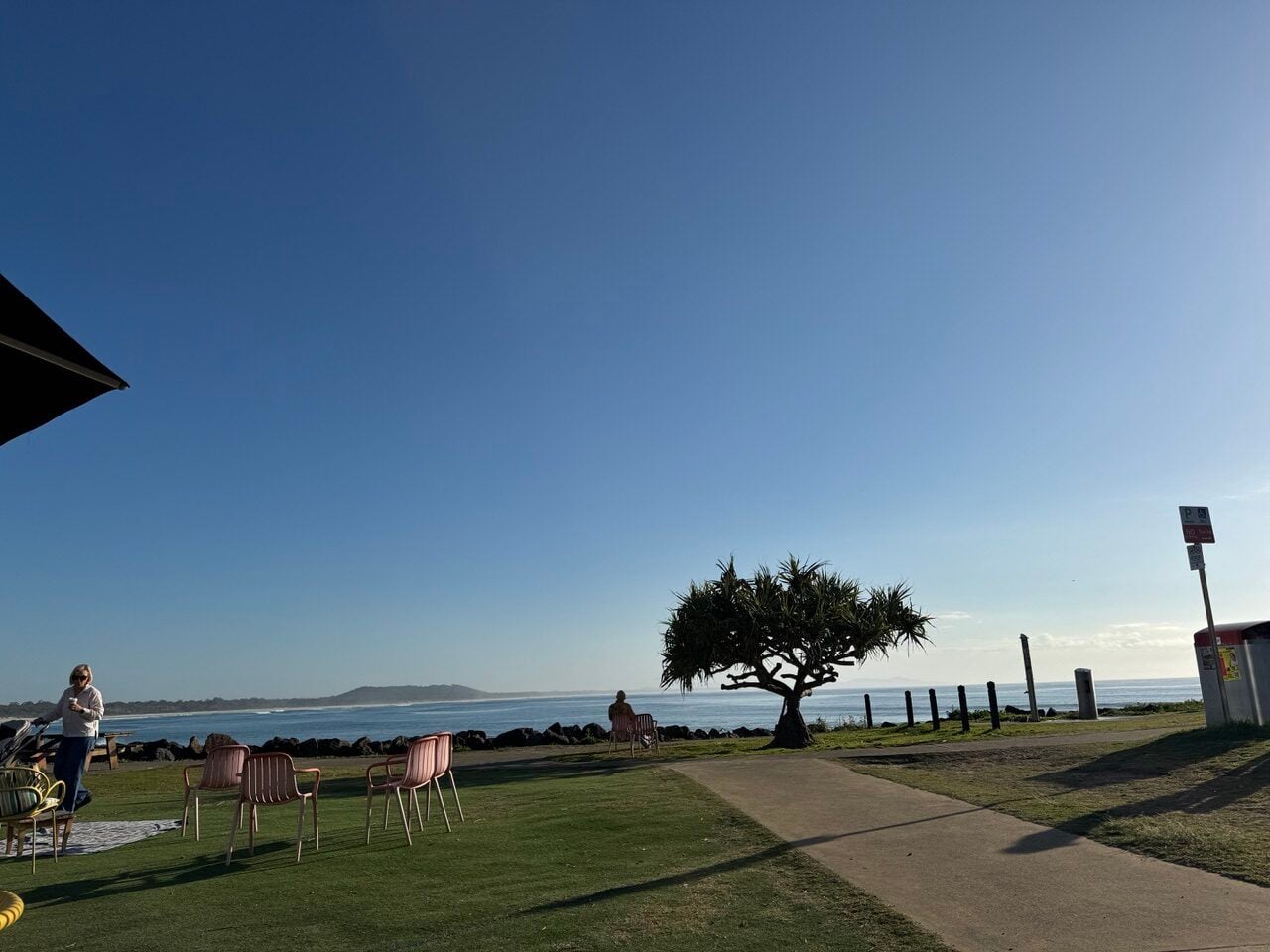
Photo credit:  Beverley Goodwin